Gladiolus Primulinus Watercolor Review
As a designer who has spent years translating digital files into tangible stitched goods, I approach every new machine embroidery design with a specific set of questions. Will the details survive the stitch conversion? Does the aesthetic hold up on textured fabric? Most importantly, will a customer pay for a finished product featuring this motif? Today, I am evaluating the Gladiolus Primulinus Watercolor, an illustration that promises to bring a soft, botanical elegance to your craft business. This is not just a look at the file; it is a practical assessment of how this design performs when moved from the screen to the hoop.
The First Impression: Mood and Visual Personality
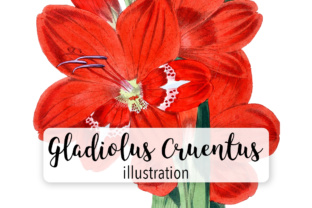
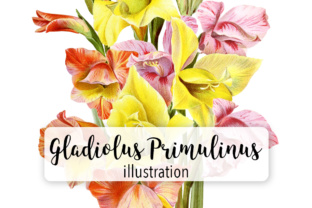
When I first opened the preview for Gladiolus Primulinus Watercolor, the immediate feeling was one of gentle sophistication. Unlike rigid, geometric floral patterns often found in standard libraries, this piece leans heavily into the fluidity of watercolor art. The petals appear to bleed slightly into one another, creating a dreamy, organic shape that feels alive. For a small shop owner or Etsy seller looking to elevate their brand away from generic clip art, this visual personality is a significant asset. It suggests a handmade product that is curated and thoughtful rather than mass-produced.
The layout is balanced but asymmetrical, which gives it a naturalistic charm. In the world of Illustrations converted for stitching, maintaining that "painted" look is difficult. Often, the translation results in blocky, pixelated edges. However, the design structure here seems to anticipate the limitations of thread. The lines are confident, and the negative space is used effectively to prevent the design from becoming a dense, unmanageable blob of stitches.
A Real-World Scenario: The Custom Tote Bag Project
To truly understand the utility of Gladiolus Primulinus Watercolor, let’s imagine a real project. I am preparing a line of custom embroidered tote bags for a local boutique that specializes in eco-friendly home goods. The target audience appreciates nature-inspired decor and high-quality textiles. I decide to place this floral motif on a heavy-duty, natural canvas tote bag.
In this scenario, the soft gradients of the watercolor style translate beautifully into varying shades of pastel thread colors. Because the design relies on flow rather than sharp definition, minor imperfections in the stitching are less noticeable, making it forgiving for both machine and hand-finishing processes. When I visualize the finished product, the flower does not look like a sticker slapped onto the bag; it looks integrated. The slight irregularity of the watercolor edges mimics the texture of the canvas, creating a cohesive look that customers would likely perceive as premium. This is exactly the kind of tote bag design that drives sales because it feels unique and artisanal.
Performance on Apparel and Home Goods
Beyond tote bags, where else does this embroidery file shine? I believe it is exceptionally well-suited for custom apparel like sweatshirts and aprons. On a cotton-blend sweatshirt, the softness of the Gladiolus Primulinus Watercolor complements the casual comfort of the garment. It works particularly well on the chest pocket area or the lower hem, acting as a subtle branding element for a craft business.
For home goods, consider kitchen towels or pillow covers. The botanical theme fits perfectly into a nursery setting or a spring-themed kitchen collection. If you are creating baby embroidery items, the lack of harsh lines makes it safe and visually soothing. The design also functions admirably as an embroidered patch. Because the shape is distinct, it can be cut out and applied to denim jackets or backpacks without losing its identity. The key here is the stitch density; the watercolor effect relies on open areas that allow the underlying fabric to show through, preventing the "plastic" feel that dense fill stitch often creates.
Where Caution Is Required
While Gladiolus Primulinus Watercolor is versatile, it is not without its challenges. As a reviewer, I must point out where this design requires careful handling. First, avoid using it on highly textured fabrics like terry cloth or thick fleece unless you use a very strong stabilizer. The fine details of the watercolor washes could get lost in the pile of the fabric, resulting in a muddy appearance.
Secondly, be wary of dark fabrics. A watercolor design typically relies on light, airy tones. Stitching this on black or navy material will require significant changes to the thread colors to maintain contrast. Without a bright underlay or a shift to neon threads, the delicate nature of the illustration may vanish. Similarly, on stretchy fabrics like jersey knit, the intricate curves of the gladiolus might pucker if the tension is not perfectly calibrated. Always test the design on scrap fabric first to ensure the running stitch and satin edges hold up against the fabric's elasticity.
Another critical consideration is the hoop size. While the design appears compact, the spread of the petals might require a larger hoop than anticipated to accommodate the full bloom without distortion. Do not attempt to shrink this design significantly for a tiny cap logo; the watercolor nuances will disappear, leaving only a confusing cluster of stitches. It is best reserved for projects where the design can breathe.
Practical Designer Notes for Success
If you are planning to incorporate Gladiolus Primulinus Watercolor into your commercial work, follow these practical steps to ensure professional results:
- Test on Scrap Fabric: Never skip the test run. Stitch the design on the exact fabric you plan to use to check for puckering and color blending.
- Check Thread Contrast: Ensure your chosen thread colors provide enough contrast against the background. If the design is too light, the impact will be lost.
- Review Stitch Density: Look closely at the digital preview. If certain areas look too solid, they may need to be thinned out to preserve the watercolor aesthetic.
- Confirm Licensing: Before selling any finished product or offering this as a digital embroidery file, verify the license terms. Some designs restrict commercial use or limit the number of items you can sell.
- Use Proper Stabilizer: Given the delicate nature of the illustration, a tear-away or cut-away stabilizer is essential to support the stitches without distorting the fabric.
- Mockup Testing: Create a printable mockup to see how the design looks in different contexts. Compare it on light and dark backgrounds to determine the best application.
Impact on Brand and Customer Trust
Ultimately, the value of Gladiolus Primulinus Watercolor lies in its ability to enhance the perceived quality of your handmade product. In a saturated market like Etsy or craft fairs, customers are drawn to items that tell a story. A design that looks professionally executed and aesthetically pleasing builds immediate trust. It signals that you care about the details of your personalized gift or holiday embroidery item.
This design adds a layer of professionalism to your design assets. It moves your brand away from the amateur look of basic shapes and into the realm of curated art. Whether you are decorating a single wedding gift or producing a batch of small shop products, the consistency and beauty of this floral motif contribute to a cohesive brand image. Customers recognize quality, and a well-stitched, beautiful flower like the Gladiolus Primulinus is a powerful tool for engagement and sales.
In conclusion, while it requires attention to fabric choice and stabilization, Gladiolus Primulinus Watercolor is a robust addition to any designer's library. It offers a rare blend of artistic flair and practical usability, making it a standout choice for those serious about elevating their embroidery projects.