Rose Constance Watercolor Illustrations Review
As a digital product creator who has spent years navigating the competitive landscapes of Etsy, Creative Fabrica, and Shopify, I approach every new graphic design asset with a critical eye. The market is saturated, and the difference between a best-selling listing and a forgotten one often comes down to the quality and versatility of the underlying illustrations. Recently, I acquired the Rose Constance Watercolor pack to evaluate its potential for my upcoming spring collection. My goal was simple: determine if this specific set of Illustrations could serve as a profitable foundation for commercial product creation or if it would simply add clutter to my hard drive.
First Impressions: Mood and Market Appeal
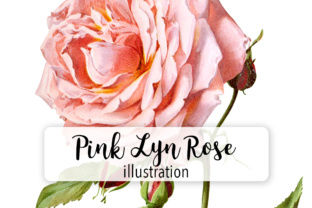
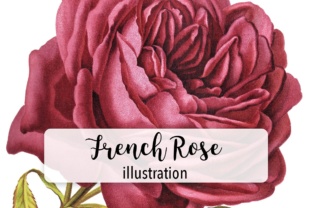
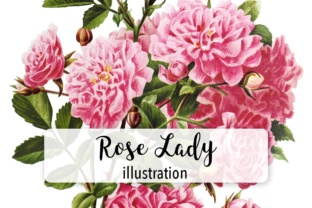
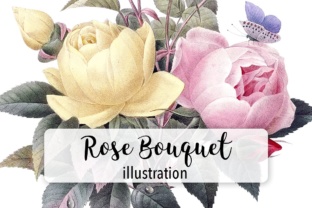
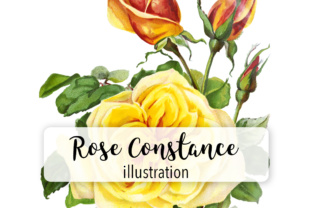
Upon opening the folder containing Rose Constance Watercolor, the immediate visual impact is one of soft elegance mixed with artistic depth. Unlike the flat, vector-heavy clipart that dominates many creative marketplaces, these designs possess a textured, organic feel that suggests a handmade business aesthetic. The color palette leans towards sophisticated pastels and muted tones, which immediately signals a specific niche appeal. This is not a bold, neon, or hyper-modern set; rather, it targets buyers looking for feminine, rustic, or premium decorative elements.
The mood evoked by Rose Constance Watercolor is calm and inviting, making it an ideal candidate for audiences interested in nursery decor, wedding stationery, or lifestyle branding. For a small business owner trying to establish a cohesive brand identity, these Illustrations offer a level of visual storytelling that generic stock photos cannot match. The watercolor texture adds a layer of perceived value, suggesting that the final product is artisanal rather than mass-produced. However, the question remains whether this aesthetic translates well across various digital formats and physical merchandise.
Real-World Application in Product Lines
To truly test the viability of Rose Constance Watercolor, I began mapping out how these assets could function within a real online shop scenario. The first area of focus was print-on-demand (POD). I imported several high-resolution PNG designs into a mockup generator to visualize them on t-shirts and tote bags. The results were promising. The soft edges of the watercolor blend beautifully with fabric textures, creating a vintage-inspired look that performs well in the apparel sector. These t-shirt designs felt distinct enough to stand out in a crowded marketplace without requiring heavy editing.
Moving beyond apparel, I explored the potential for sublimation designs. The transparency of the PNG files allowed me to place the floral motifs onto mugs, tumblers, and phone cases with ease. Because the background is clean, the Rose Constance Watercolor elements pop against the white ceramic or stainless steel surfaces. This versatility makes the pack a strong contender for sellers who need a single asset to generate multiple SKUs. Additionally, the illustrations work exceptionally well as printable wall art. When arranged in a grid or a gallery layout, they create a stunning focal point for home decor listings.
For crafters using Cricut or Silhouette machines, the SVG versions of these designs require a bit more scrutiny. While the watercolor effect is beautiful digitally, cutting intricate gradients can be challenging. However, if used as a stencil for vinyl projects or as a base for layered sticker designs, the SVG files hold up well. I also tested the assets in Canva to create templates for social media graphics and blog headers. The visual hierarchy remained clear, allowing text overlays to remain legible while the artwork provided an elegant backdrop.
Enhancing Product Presentation and Listings
In the world of digital selling, your listing images are your storefront. Rose Constance Watercolor offers significant advantages when it comes to product presentation. Using these Illustrations in mockups elevates the perceived value of a digital download. A plain white background with a simple line drawing might sell for a few dollars, but adding the rich texture of Rose Constance Watercolor can justify a higher price point. It transforms a basic graphic into a premium design bundle.
When creating thumbnails for Etsy or other creative marketplaces, the color harmony of these assets draws the eye. They provide a consistent visual language that helps build customer trust. If a seller uses Rose Constance Watercolor across a seasonal collection—say, for greeting cards, planner stickers, and invitation templates—the resulting brand consistency encourages customers to buy the whole suite rather than just a single item. This strategy increases the average order value and strengthens the seller's reputation for professional design standards.
Strategic Limitations and Usage Warnings
Despite its strengths, Rose Constance Watercolor is not a universal solution. There are specific scenarios where these assets should be used with caution. First, avoid using them for tiny details like micro-stickers or small icons where the watercolor texture might blur or lose definition upon scaling. The delicate nature of the brushstrokes means they rely on resolution; shrinking them too much can result in a muddy appearance.
Secondly, be wary of placing these light-toned illustrations on dark backgrounds without adjusting the contrast. The original design assumes a light canvas, and forcing it onto black or navy can wash out the details, making the design invisible. Similarly, for Cricut projects requiring clean cut lines, the soft edges of a watercolor illustration may not translate perfectly unless you are using them as a print-and-cut element rather than a die-cut shape. Finally, do not overcomplicate layouts. These Illustrations are meant to breathe; crowding them with excessive text or other busy graphics will destroy their elegant aesthetic.
Practical Seller Notes and Workflow Tips
Before integrating Rose Constance Watercolor into your commercial workflow, follow these practical steps to ensure success. Always test the design on real mockups before publishing your listing. Preview how the colors look on both white and dark backgrounds to ensure versatility. If you plan to sell physical products, print a sample to verify that the ink colors match your screen display accurately.
Verify the file integrity of the PNGs to ensure true transparency and check the SVG paths for any stray nodes that could cause cutting errors. Organize your files clearly for your customers if you are reselling the assets, grouping them by size or type. When pairing these Illustrations with typography, opt for serif fonts or handwritten script styles to complement the organic feel. Avoid blocky sans-serif fonts that clash with the softness of the watercolor.
Most importantly, confirm the commercial license terms. Ensure you have the right to use Rose Constance Watercolor for sellable products, merchandise, and templates. Understanding the boundaries of the license protects your business from legal issues. By treating this graphic design asset as a strategic tool rather than just a pretty picture, you can leverage its unique style to create a professional, cohesive, and profitable online product collection.