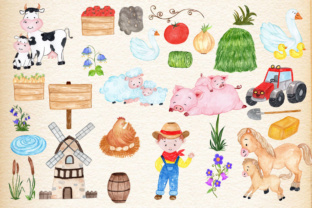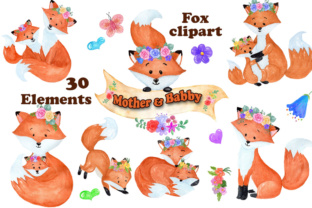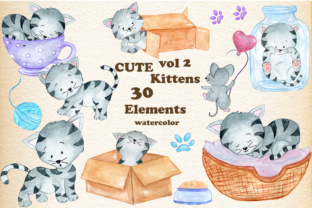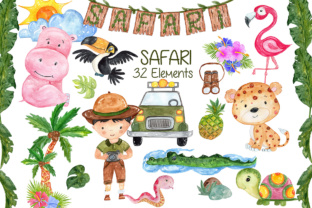
Watercolor Forest Animal Clipart & Illustrations
As a brand designer who has spent years curating visual identities for small businesses and digital creators, I approach every new graphic design asset with a critical eye. When I first opened the Watercolor Forest Animal Clipart collection, my immediate reaction was one of warmth and nostalgia. The soft, bleeding edges of the watercolor style instantly communicate a sense of organic growth, gentleness, and nature. This is not a sterile, vector-perfect look; it feels handmade, human, and deeply emotional. For brands aiming to connect with audiences on an emotional level, particularly in the lifestyle, wellness, or children's sectors, this mood is invaluable. It suggests that the brand behind the visuals cares about quality, sustainability, and authenticity.
However, a pretty image is only as good as its application in a real-world campaign. To truly understand the value of these Illustrations, I decided to test them within a specific marketing scenario: a product launch for a small business selling eco-friendly baby clothing. The goal was to create a cohesive content kit that would span social media graphics, packaging inserts, and email banners without looking cluttered or unprofessional. The challenge with watercolor assets is often maintaining visual consistency while ensuring the core message remains clear.
Setting the Tone for Eco-Friendly Branding
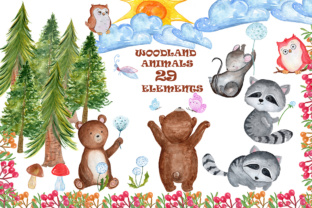
In the context of our hypothetical baby clothing launch, the Watercolor Forest Animal Clipart served as the perfect bridge between the brand's values and the customer's desire for safety and nature. The illustrations feature creatures like deer, foxes, and bears rendered in soft earth tones. When placed against a clean, off-white background, they immediately elevate the perceived value of the product. Unlike harsh, high-contrast clipart which can feel cheap or generic, these designs add a layer of sophistication. They signal to the audience that this is a premium, thoughtful brand, not just another mass-market seller.
The emotional tone brought by these assets is crucial for building audience trust. In the crowded marketplace of digital products and physical goods, consumers are drawn to brands that tell a story. These forest animals act as silent storytellers, evoking images of quiet woods and gentle play. This narrative support is essential for content marketing strategies that rely on engagement rather than hard selling. By using these visuals, we created a safer, softer environment for the viewer, which directly correlates to higher conversion rates for sensitive categories like baby products or health supplements.
Integrating Assets into Real Marketing Workflows
When moving from concept to execution, the versatility of the Watercolor Forest Animal Clipart became apparent. I tested the PNG design files across various platforms to see how they held up. For Instagram posts and Pinterest pins, the transparent backgrounds allowed for seamless integration over textured paper backgrounds or solid color blocks. The result was a set of social media graphics that felt curated and professional, far superior to standard stock photos.
One of the most effective applications was in packaging design. We used a single large illustration as a focal point on the back of a shipping box, accompanied by a simple thank-you note. This transformed a mundane shipping experience into a memorable brand interaction. Similarly, for product labels, smaller versions of the clipart acted as subtle decorative elements that reinforced the brand identity without overpowering the text. In editorial design contexts, such as blog headers or magazine-style newsletters, these Illustrations provided excellent visual breaks that guided the reader's eye through the content, improving readability and retention.
The asset also shined when creating Canva templates for clients. By pre-placing these SVG design elements into branded layouts, we allowed other creative entrepreneurs to maintain visual hierarchy while saving hours of design time. Whether used for event flyers, posters, or merchandise like stickers, the watercolor texture adds a tactile quality that flat digital art often lacks. This makes the brand feel more tangible and relatable, a key factor in modern design trends where "imperfect" aesthetics are highly valued.
Strategic Placement and Visual Hierarchy
While the potential is vast, strategic placement is key to maximizing the impact of Watercolor Forest Animal Clipart. These assets work best as hero graphics for campaign headers, where there is ample white space to let the colors breathe. They are also ideal for branded templates where they serve as consistent motifs across different touchpoints. Using them as packaging accents or in promotional banners helps to unify the brand voice. When used correctly, they strengthen recognition and ensure that every piece of marketing material feels part of a larger, cohesive whole.
However, there are scenarios where caution is required. These detailed, textured illustrations should be used carefully in formal corporate branding or dense information layouts. If the background is too busy or low-contrast, the delicate watercolor details can get lost, reducing the professional appearance of the design. They are not suitable for overly minimal brands that rely on stark typography alone, nor should they be used in text-heavy ads where they might compete with the main message. Additionally, on small mobile screens, intricate details can become muddy, so testing readability at reduced sizes is essential before finalizing any digital ad campaigns.
Practical Designer Notes for Implementation
To ensure these design assets perform optimally in your commercial design projects, I recommend a few practical steps. First, always test the clipart against your specific brand color palette. While the default colors are beautiful, adjusting the hue slightly to match your brand guidelines can significantly improve consistency. Second, check the black and white usage. Some watercolor effects lose their charm when converted to grayscale, so verify how they look for print materials that require monochrome options.
Place the Watercolor Forest Animal Clipart inside real campaign mockups to preview the final look. How does it appear on a t-shirt? On a website header? On a mobile phone screen? Previewing in context prevents costly mistakes later. Furthermore, compare the asset against competitor visuals to ensure your brand stands out. Check how the illustrations pair with different font styles. They tend to harmonize beautifully with serif fonts for a classic look, script fonts for elegance, or handwritten fonts for a personal touch. However, pairing them with aggressive display fonts might create a tonal clash.
Finally, always review spacing and balance. Watercolor assets have irregular shapes, so you must leave enough negative space around them to prevent the layout from feeling cramped. Most importantly, confirm the commercial licensing before using it in paid campaigns, client work, or business branding. Ensuring you have the rights to use these creative design elements protects your business and maintains your professional reputation. With careful planning and creative application, Watercolor Forest Animal Clipart can be a powerful tool in your arsenal, driving engagement and building a brand that resonates deeply with your audience.