Double Wallflower Clover Watercolor Review
A Designer's Take on Stitching This Botanical Illustration
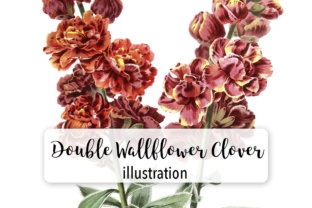
As someone who has spent years navigating the gap between digital art and physical thread, I approach every new machine embroidery design with a specific set of questions. Does the file translate well to fabric? Will it hold up under washing? And most importantly, does it elevate the finished product or clutter it? When I first opened the Double Wallflower Clover Watercolor file, my immediate reaction was one of appreciation for its soft aesthetic. It falls squarely into the Illustrations category, offering a gentle, organic vibe that feels perfect for the current market trends favoring handmade, nature-inspired goods.
The visual personality of this design is distinct. It captures the whimsical charm of watercolor painting through the medium of stitch. The shapes are fluid, avoiding rigid geometric lines in favor of soft edges that mimic brush strokes. For an Etsy seller or a small shop owner looking to differentiate their brand, this kind of artistic flair is invaluable. However, translating a watercolor look into thread requires careful planning. The success of this project hinges on how you handle the stitch density and color blending.
Bringing the Design to Life: A Real-World Scenario
Let’s talk about a concrete use case. Imagine you are preparing a custom embroidered tote bag for a local craft fair. You want something that appeals to customers looking for eco-friendly, artistic accessories. The Double Wallflower Clover Watercolor design fits this brief perfectly. Picture a sturdy, natural canvas tote. You place the design slightly off-center, perhaps near the bottom corner, allowing the flowers to bloom upward. Because the design relies on soft gradients rather than heavy outlines, it won't look like a stiff logo; instead, it will feel like a piece of art stitched directly onto the fabric.
In this scenario, the tote bag design becomes a conversation starter. Customers often gravitate toward items that feel personal and unique. The watercolor effect suggests a human touch, even though it is executed by a machine. If you were to use this on a sweatshirt, say for a boutique holiday collection, the softness of the clover and wallflower motifs would contrast beautifully against the heavier texture of fleece or cotton. It adds a layer of sophistication without overwhelming the garment. This is exactly the kind of custom apparel detail that builds customer trust and encourages repeat business.
Navigating Fabric and Technical Challenges
While the aesthetic appeal is high, practical application requires caution. The delicate nature of a watercolor style means that fill stitch coverage must be precise. If the density is too high, the soft, airy look disappears, replaced by a solid block of thread that looks muddy. Conversely, if the density is too low, the design may show the fabric underneath in a way that looks like a mistake rather than an intentional artistic choice.
Fabric choice is equally critical. This design thrives on smooth, medium-weight fabrics where the stitches can lay flat. On highly textured fabrics like heavy denim or thick wool, the intricate details of the Double Wallflower Clover Watercolor might get lost in the weave. Similarly, using this on very thin or stretchy fabric without the proper stabilizer can lead to puckering, which ruins the clean lines of the illustration. For projects involving baby embroidery, such as onesies or burp cloths, ensure the thread colors are non-toxic and the stitching is secure enough to withstand frequent washing.
Another area requiring attention is the background. Watercolor designs often rely on negative space or light backgrounds to achieve their effect. Placing this design on dark fabric without adjusting the thread palette or adding a backing layer could result in poor visibility. Always test the design on scrap fabric first. Check how the thread colors interact with your chosen material. Does the green of the clover pop against a navy blue shirt, or does it disappear? These decisions define the quality of your finished product.
Commercial Viability and Brand Consistency
For creative entrepreneurs, the question of commercial viability is paramount. The Double Wallflower Clover Watercolor offers a versatile asset for building a cohesive brand identity. Whether you are creating embroidered patches for hats, decorating pillow covers for home decor, or making personalized gifts for weddings, the botanical theme resonates across multiple demographics. It feels timeless yet trendy.
However, consistency is key. If you plan to sell these as part of a larger collection, ensure the stitch quality remains uniform across all items. Inconsistent tension or skipped stitches can make a professional craft business look amateurish. Before launching a line of products, create a printable mockup to visualize how the design scales. Does it look good at 4 inches? At 8 inches? Understanding the limits of the hoop size is essential to maintaining the integrity of the artwork.
Practical Notes for the Embroidery Designer
To get the best results from this digital embroidery file, follow these practical steps:
- Test on Scrap Fabric: Never skip this step. Run the design on the actual fabric you intend to use to check for puckering and color accuracy.
- Review Stitch Density: Inspect the fill areas closely. You may need to adjust settings in your software to prevent thread buildup while ensuring full coverage.
- Confirm Hoop Size: Ensure your hoop can accommodate the full width and height of the design without cutting off any petals or leaves.
- Check Thread Contrast: Use a contrasting bobbin thread if necessary to ensure the back of the work looks neat, especially on lighter fabrics.
- Inspect Small Details: Zoom in on the clover leaves and flower centers. Tiny details can sometimes get lost if the needle size is too large or the thread is too thick.
- Verify Licensing: Before selling any commercial embroidery items or digital files, confirm the licensing terms. Do not assume you have the right to resell the design itself unless explicitly stated.
Final Thoughts on Value and Appeal
The Double Wallflower Clover Watercolor is more than just a pretty picture; it is a tool for storytelling. When used correctly, it transforms a simple item into a cherished keepsake. The design speaks to a desire for nature, gentleness, and craftsmanship. For the small shop product maker, it offers a chance to stand out in a crowded marketplace by delivering high-quality, visually appealing goods.
Ultimately, the value of this design lies in its execution. It rewards patience and attention to detail. By taking the time to test, stabilize, and refine your process, you ensure that every personalized gift or holiday embroidery project you create meets the highest standards. Whether you are a hobbyist exploring new techniques or a seasoned decorator scaling your business, this illustration provides a wonderful canvas for creativity. Just remember: the magic happens not just in the file, but in the hands of the designer who brings it to life.