Gnome Watercolor Clipart: A Designer's Embroidery Review
As someone who has spent years navigating the fine line between digital art and physical thread, I approach every new machine embroidery design with a specific set of questions. Will the colors bleed? Will the details vanish in the stitch density? Does this Illustrations asset translate well from a screen to fabric? Today, I am evaluating the Gnome Watercolor Clipart to see if it holds up under the scrutiny of real-world production. This isn't just about downloading an embroidery file; it is about understanding how this whimsical character performs when you commit to stitching it onto a finished product.
The First Impression: Translating Soft Edges into Thread
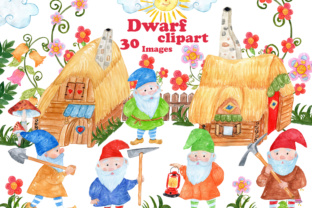
When I first opened the preview for Gnome Watercolor Clipart, the mood was immediately clear. It exudes that cozy, woodland charm that has become so popular in nursery decor and boutique gifts. The watercolor aesthetic relies on soft gradients, bleeding edges, and a lack of hard outlines. In the world of vector graphics, this is beautiful. In the world of commercial embroidery, however, it presents a unique challenge. My immediate thought as a designer was not "how cute," but "how will the machine interpret these blurred lines?"
Watercolor styles often struggle with the rigidity of a fill stitch. If the digitization is poor, those soft edges can turn into jagged, blocky shapes that lose the artistic soul of the original image. However, if the Gnome Watercolor Clipart has been carefully converted, using techniques like running stitch overlays or varied stitch density to mimic the wash effect, it could be a game-changer for handmade products. The visual personality feels perfect for baby embroidery or items meant to evoke a sense of gentle magic.
A Real-World Test: The Custom Tote Bag Scenario
To truly judge this design, I need to visualize it in action. Let's imagine I am preparing a batch of custom tote bags for a local craft fair. These aren't just generic bags; they are premium canvas totes sold at a higher price point because of the quality of the custom apparel decoration. I decide to use the Gnome Watercolor Clipart as the centerpiece.
My plan involves placing the gnome near the bottom corner of the bag. Here is where the practical reality sets in. Canvas has a distinct fabric texture. If the Gnome Watercolor Clipart features tiny details like eyelashes or intricate hat brims, the weave of the canvas might swallow them whole. I would need to test this on scrap fabric first. If the design relies heavily on satin stitch for definition, the thickness of the canvas threads might cause puckering if the hoop size isn't large enough to hold the tension properly.
Furthermore, consider the customer reaction. A shopper walking by my booth sees a tote with a sharp, cartoonish gnome versus one with a soft, painterly look. The latter feels more artisanal, more "boutique." If the Gnome Watercolor Clipart maintains its softness after stitching, it elevates the perceived value of the small shop product. It signals that the maker cares about aesthetics, not just slapping a logo on a bag. This level of detail builds customer trust and encourages repeat business for any Etsy seller looking to stand out.
Navigating Fabric Challenges and Placement
Not every project is a sturdy canvas tote. As an experienced decorator, I know that Gnome Watercolor Clipart requires careful consideration regarding the substrate. If I were to apply this to a sweatshirt embroidery project, the stretchiness of the fleece becomes a major factor. Watercolor designs often have larger areas of open space or lighter fill. On a stretchy garment, this can lead to distortion if the wrong stabilizer is used. I would strongly advise against using this on thin or highly elastic fabrics without a heavy-duty cutaway stabilizer to anchor the stitches.
Dark fabrics present another hurdle. The watercolor style often utilizes light pastels—blues, pinks, and lavenders. Stitching these directly onto black cotton without an underlay or a white backing layer will result in muddy, indistinct colors. The design simply won't pop. For holiday embroidery on dark wool sweaters or navy blue caps, I would need to adjust the thread colors significantly or add a dense white underlay to ensure the gnome remains visible. Similarly, curved surfaces like baseball caps require a specialized cap frame. The curvature can distort the proportions of the gnome's face, making the watercolor effects look uneven.
I also caution against using this design for embroidered patch applications where the backing needs to be ironed on frequently. The delicate nature of watercolor-style stitching means that frequent washing and heat application could cause the finer threads to fray or the colors to shift over time. This design shines best on items that receive moderate wear, such as pillow covers, tea towels, or decorative aprons.
Practical Notes for the Professional Maker
If you are considering adding Gnome Watercolor Clipart to your library of design assets, here are my professional recommendations before you start stitching:
- Test on Scrap Fabric: Never skip this step. Run the design on a piece of the actual fabric you intend to use. Check if the watercolor gradients look smooth or if they appear as pixelated blocks of color.
- Check Thread Color Contrast: Ensure the pastel tones of the gnome contrast sufficiently with your background. Use a printable mockup to simulate how the colors will look before committing expensive thread.
- Review Stitch Density: Open the digital embroidery file in your software. Look for areas where the density is too high, which can cause puckering, or too low, which leaves the fabric showing through in unwanted spots.
- Confirm Licensing: Before selling any personalized gift or handmade product featuring this design, verify the licensing terms. Some Illustrations are for personal use only, while others allow for commercial sales of finished goods.
- Inspect Small Details: Zoom in on the eyes, nose, and accessories. If the running stitch count is too low, these features may disappear entirely on the final item.
Final Verdict on Visual Appeal and Value
Ultimately, the success of Gnome Watercolor Clipart lies in the execution. When done right, it offers a sophisticated alternative to standard, bold cartoon characters. It adds a touch of elegance and whimsy that appeals to parents looking for nursery decor or customers seeking unique wedding gifts. It transforms a simple embroidery project into a piece of wearable art.
However, it demands respect for the medium. You cannot treat it like a standard logo. It requires attention to hoop size, fabric choice, and stabilizer selection. For the craft business owner willing to put in the extra effort to get the settings right, this design can be a powerful tool for brand consistency and buyer engagement. It tells a story of care and creativity. But for those looking for a quick, no-thought-required download for mass production on cheap materials, this might not be the right fit.
In conclusion, Gnome Watercolor Clipart is a high-potential asset for the discerning designer. It rewards precision and offers a beautiful aesthetic that stands out in a crowded market. Just remember to test, stabilize, and respect the limitations of the watercolor style in thread form. With the right approach, it can be the star of your next collection.