Pulicaria Odora Watercolor Embroidery Review
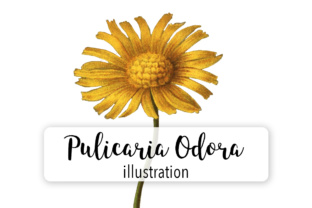
As a designer who has spent years translating digital art into tangible thread, I approach every new machine embroidery design with a mix of excitement and skepticism. The gap between a beautiful screen image and a stitched reality is where many projects fail. When I first opened the file for Pulicaria Odora Watercolor, I was immediately drawn to its soft, organic aesthetic. This piece sits comfortably within the Illustrations category, but it feels far more than just a generic floral clipart. It carries a specific mood—a gentle, watercolor wash that suggests tranquility and natural elegance. Before I commit this design to a client project or my own small shop inventory, I need to evaluate how it truly performs under the needle.
First Impressions: Mood and Visual Personality
The visual personality of Pulicaria Odora Watercolor is defined by its delicate lines and blended color transitions. Unlike high-contrast, geometric patterns that rely on heavy fill stitch, this design mimics the fluidity of paint on paper. In the context of custom apparel or home decor, this creates an immediate sense of sophistication. It does not scream for attention; rather, it invites a closer look. For an Etsy seller or boutique owner looking to elevate their brand consistency, this type of illustration offers a refined alternative to the loud, cartoonish graphics often seen in the handmade market.
However, the "watercolor" effect in embroidery is tricky. It relies heavily on the interplay of thread colors and stitch density. If the density is too low, the design may look sparse and unfinished. If it is too high, the fabric can pucker, ruining the soft illusion. My initial assessment is that this design requires a careful balance of satin stitch for outlines and a very light, directional fill stitch to mimic the wash effect. The layout is balanced, making it versatile enough for center placement on a tote bag or as a subtle accent on a garment sleeve.
Real-World Application: From Digital File to Finished Product
To truly understand the value of Pulicaria Odora Watercolor, let’s imagine a real-life scenario. I am preparing a collection of personalized gifts for the upcoming holiday season. Specifically, I want to create a series of embroidered aprons and kitchen towels for a local craft fair. These items need to feel premium yet practical. The Pulicaria Odora Watercolor design fits perfectly here. Its botanical theme resonates with customers who appreciate nature-inspired home goods.
When I visualize this as a tote bag design, the soft edges of the flower blend beautifully with the canvas texture. On a structured cotton tote, the machine embroidery design would stand out without overwhelming the material. Now, consider a different use case: custom apparel. Imagine placing this motif on the chest of a heavyweight sweatshirt. The contrast between the dark grey fleece and the pastel tones of the flower could create a stunning handmade product. However, because the design features fine details typical of watercolor art, I must be cautious about the hoop size. A larger hoop might be necessary to ensure the stabilizer supports the intricate areas without distorting the shape.
For baby embroidery projects, such as a onesie or a nursery pillow cover, the gentle aesthetic is ideal. Parents often seek designs that are soothing and timeless. This embroidery file delivers exactly that. Yet, safety and durability are paramount. The stitching must be secure enough to withstand frequent washing, which means checking the anchor points of any floating elements in the design.
Navigating Challenges: Fabric and Placement Considerations
While Pulicaria Odora Watercolor is visually appealing, it is not a one-size-fits-all solution. As a professional reviewer, I must highlight where this design should be used carefully. First, avoid using it on highly textured fabrics like thick denim or bouclé. The irregular surface can disrupt the smooth flow of the watercolor effect, making the stitches look muddy. Similarly, on thin or stretchy fabrics, the tension required for detailed work can cause puckering. Always test the design on scrap fabric first to gauge how the stitch density interacts with your specific material.
Dark fabrics present another challenge. Watercolor styles often rely on white or light background threads to create that washed-out look. Stitching directly onto black or navy fabric without a backing or applique base might result in lost detail. If you choose a dark background, you will likely need to adjust the thread colors significantly or add a white underlay to make the design pop. Additionally, curved surfaces like caps require special attention. The organic shape of the flower might distort if the cap curvature fights against the design's natural flow. In such cases, a smaller version of the design or a strategic placement on the flat front panel is advisable.
Detailed corners and tiny lettering, if included in variations of this design, can also be problematic. If the design includes small text labels identifying the flower species, ensure the font size is large enough to remain legible after stitching. Fine details often get lost in the fray of running stitch or dense fills, reducing the overall professionalism of the finished product.
Practical Designer Notes for Success
Before integrating Pulicaria Odora Watercolor into your commercial workflow, follow these essential steps:
- Test on Scrap Fabric: Never skip this step. Run a full test on the exact fabric and stabilizer you plan to use for the final product.
- Check Thread Contrast: Ensure the chosen thread colors provide enough contrast against the background fabric while maintaining the watercolor aesthetic.
- Review Stitch Density: Look at the digital preview to see if the fill areas are too dense. You may need to reduce density to prevent puckering on delicate items.
- Confirm Hoop Size: Verify that your embroidery machine can accommodate the design dimensions. If it is tight, consider splitting the design or choosing a larger hoop.
- Inspect Small Details: Zoom in on the file to check for any broken lines or gaps that might appear during stitching.
- Use Proper Stabilizer: For detailed illustrations, a cut-away stabilizer often provides better support than tear-away, especially on knit fabrics.
- Licensing Check: Before selling finished items or offering this as a digital embroidery file for others, confirm the licensing terms. Ensure you have the right to use it for commercial embroidery and small shop product sales.
Impact on Brand Value and Customer Trust
In the competitive world of handmade goods, the quality of your design assets directly influences customer trust. A well-executed Pulicaria Odora Watercolor project signals attention to detail and artistic integrity. It elevates a simple towel or t-shirt into a collectible item. Customers buying from an Etsy seller or a boutique expect a level of craftsmanship that mass-produced items cannot match. When they see the nuanced blending of threads and the clean finish of the embroidery, their perception of value increases.
This design also enhances giftability. Whether it is a holiday gift, a wedding favor, or a personalized keepsake, the unique, artistic nature of the watercolor style makes it feel special and curated. It moves beyond generic decoration to become a statement piece. For creative entrepreneurs, using high-quality illustrations like this helps build a cohesive brand identity. It shows that you care about the visual narrative of your products, not just the mechanics of production.
Ultimately, Pulicaria Odora Watercolor is a powerful tool for the discerning maker. It requires skill and preparation, but when executed correctly, it yields results that are both beautiful and commercially viable. By understanding its strengths and limitations, you can leverage this embroidery project to create memorable, high-value items that resonate with your audience. Remember, the best embroidery is not just about following a pattern; it is about understanding how thread, fabric, and art come together to tell a story.