New Cannas Watercolor Embroidery Review
As a designer who has spent years translating digital art into tangible stitched goods, I know that the leap from a screen to a fabric surface is where most projects either shine or stumble. When I first opened the New Cannas Watercolor file, I wasn't just looking for a pretty picture; I was analyzing its potential as a commercial asset for my upcoming summer collection. This piece falls squarely into the Illustrations category, and at first glance, it promises a soft, artistic vibe that feels distinct from the rigid, geometric patterns often seen in standard machine embroidery designs.
The First Impression: Mood and Visual Personality
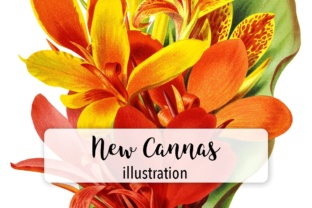
The visual personality of New Cannas Watercolor is immediately striking because of its organic flow. Unlike traditional floral motifs that rely on hard outlines and uniform fills, this design mimics the bleed and texture of actual watercolor paint. The shapes are fluid, with edges that suggest a gentle fade rather than a sharp cut. For an Etsy seller or a boutique owner trying to differentiate their brand, this kind of aesthetic is gold. It evokes a sense of calm and natural beauty, making it perfect for products that need to feel handmade and thoughtful rather than mass-produced.
However, the true test of any machine embroidery design is how it translates into thread. The challenge with watercolor styles is maintaining that soft look without losing definition. In New Cannas Watercolor, the artist has managed to balance detail with open space. This suggests that the stitch density will likely be moderate, which is excellent for preventing puckering on delicate fabrics. It feels like a design built for versatility, capable of anchoring a small shop product or elevating a personalized gift without overwhelming the base material.
A Real-World Test: The Custom Tote Bag Scenario
To truly evaluate this file, I imagined a specific use case: creating a limited run of custom canvas tote bags for a local craft fair. Imagine a sturdy, natural-colored cotton tote. The goal is to place the New Cannas Watercolor motif on the front panel, perhaps slightly off-center to create a modern, asymmetrical look. In this scenario, the design acts as the hero of the finished product.
When I visualize the stitching process, I see the fill stitch working beautifully to capture the gradients of the flower petals. Because the design isn't overly dense, it would sit flat against the canvas, avoiding the bulky "plastic" look that ruins many tote bag designs. Customers picking up this bag would immediately notice the texture of the thread contrasting with the matte fabric. It creates a tactile experience that encourages them to touch and admire the work. This level of engagement is crucial for a craft business aiming to build customer trust and justify a higher price point. The design doesn't just sit there; it invites interaction.
Expanding to Apparel and Home Goods
Beyond totes, the versatility of New Cannas Watercolor extends to various other applications. On a heavyweight sweatshirt, this design could serve as a subtle chest logo or a larger back print, depending on the hoop size used. The soft edges mean it won't crack or peel like vinyl transfers, ensuring longevity even after multiple washes. For those focusing on baby embroidery, the gentle color palette and rounded forms make it ideal for nursery decor, such as pillow covers or blanket borders. It avoids the harsh lines that can sometimes feel too aggressive for infant wear.
I also see strong potential for holiday embroidery projects. While cannas are typically summer flowers, the watercolor style allows for creative reinterpretation. By swapping the thread colors, you could adapt the shape for spring Easter gifts or even autumn-themed home accents. This adaptability makes the digital embroidery file a smart investment for a small shop product line that needs to rotate inventory seasonally without buying entirely new assets.
Navigating Challenges: Where Caution is Needed
Despite its strengths, every design has limitations, and New Cannas Watercolor is no exception. As a professional reviewer, I must highlight where this design requires careful handling. The intricate details inherent in a watercolor style mean that shrinking the design too much can lead to lost definition. If you attempt to fit this into a very small hoop size, the delicate transitions between colors might blur together, resulting in a muddy appearance rather than a crisp image.
Fabric choice is equally critical. While the design works well on medium-weight cottons and linens, using it on thin or highly stretchy fabrics like jersey knit requires significant stabilization. Without the proper stabilizer, the tension from the running stitch and fill areas could cause the fabric to pucker, ruining the smooth aesthetic the design intends to convey. Additionally, while the design looks beautiful on light backgrounds, placing it on dark fabric demands a strategic approach to thread colors. You may need to add a backing layer or adjust the saturation to ensure the watercolor effect remains visible against a black or navy background.
Another area to watch is curved surfaces, such as caps or hats. The organic, sprawling nature of the cannas might not conform perfectly to the dome of a cap without distortion. If you plan to use this for custom apparel involving structured headwear, I recommend testing a mockup first to see if the perspective shifts negatively affect the composition.
Practical Designer Notes for Success
If you decide to incorporate New Cannas Watercolor into your workflow, here are my essential recommendations for ensuring a high-quality outcome:
- Test on Scrap Fabric First: Never skip the test run. Stitch the design on a scrap piece of the exact fabric you intend to use. Check for puckering, thread breaks, and color blending.
- Review Stitch Density: Inspect the digitization closely. Ensure the density isn't so high that it stiffens the fabric, nor so low that the background shows through unwantedly.
- Confirm Hoop Size: Measure your intended placement area. Ensure the design fits comfortably within your machine's maximum hoop size without needing to re-hoop mid-stitch, which can misalign the pattern.
- Check Thread Contrast: Before committing to a full production run, verify that your chosen thread colors provide enough contrast against the fabric to maintain the watercolor illusion.
- Use Proper Stabilizer: Invest in a high-quality tear-away or cut-away stabilizer. For textured fabrics, a water-soluble topper can help keep the stitches clean and prevent snagging.
- Licensing Check: Always confirm the licensing terms before selling finished products or offering the file digitally. Ensure you have the right to sell items made with this embroidery file for commercial purposes.
- Create Mockups: Use printable mockups to visualize the design on different products. This helps you present professional images to customers and gauge market interest before investing in materials.
Final Verdict on Commercial Viability
In the competitive world of handmade goods, standing out requires more than just a good idea; it requires execution. New Cannas Watercolor offers a sophisticated aesthetic that appeals to buyers looking for unique, artistic touches. Whether you are an Etsy seller building a portfolio or a creative entrepreneur launching a new line of personalized gifts, this design provides a strong foundation.
Its ability to bridge the gap between digital illustration and physical texture makes it a valuable addition to any library of design assets. However, success lies in the details. By respecting the design's scale, choosing the right materials, and adhering to best practices in commercial embroidery, you can transform this digital file into a standout handmade product that resonates with customers and enhances your brand's reputation for quality.