Hybrid Remontant Watercolor Rose Review
A Designer's Take on a New Floral Asset
I recently spent the afternoon testing a new machine embroidery design called Hybrid Remontant Watercolor Rose. As someone who has stitched thousands of hours for both personal projects and commercial clients, I approach every new digital file with a mix of excitement and skepticism. The market is flooded with generic floral patterns, so finding an asset that feels unique yet practical is rare. This particular design falls under the Illustrations category, which immediately sets expectations for a softer, more artistic aesthetic rather than a rigid, geometric pattern. My goal was to determine if this file could transition from a pretty screen image to a high-quality finished product that customers would actually want to buy.
First Impressions: Mood and Visual Personality
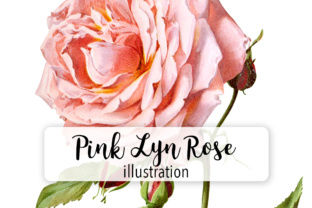
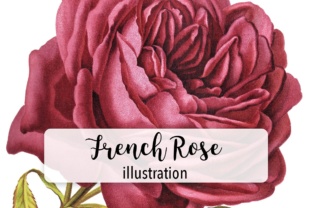
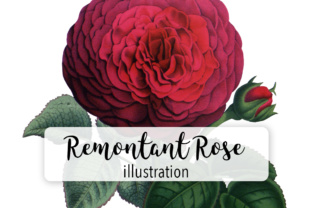
When I first loaded the Hybrid Remontant Watercolor Rose into my digitizing software, the mood it conveyed was instantly clear. It captures the essence of a watercolor painting, relying on soft gradients and organic shapes rather than hard outlines. For an embroidery project, this is a double-edged sword. On one hand, it offers a sophisticated, boutique look that stands out against standard floral motifs. On the other, achieving that "watercolor" effect through thread requires careful attention to stitch density and color blending. The layout feels balanced, with the rose head as the focal point and subtle foliage providing context without overwhelming the main subject. It feels like a design meant for elevated handmade products, not just a quick decoration for a basic t-shirt.
Testing in Real-World Scenarios
To truly evaluate the Hybrid Remontant Watercolor Rose, I moved beyond the screen and prepared a few test runs. I started with a custom embroidered tote bag made from heavy cotton canvas. This fabric provided a stable base, allowing the fill stitch to sit flat and the thread colors to pop. The result was stunning. The design felt substantial enough to justify a higher price point for a craft business or Etsy seller looking to create premium merchandise. The visual appeal on the tote bag was immediate; it looked like a piece of art rather than just a logo.
Next, I considered how this would perform on custom apparel, specifically a sweatshirt. Sweatshirts are tricky because the fabric texture can interfere with fine details. However, the Hybrid Remontant Watercolor Rose has enough volume in its petals to handle the slight nap of fleece. If you are planning sweatshirt embroidery for a small shop product line, this design holds up well, provided you use a proper stabilizer. The soft edges of the illustration translate beautifully into satin stitch borders, giving the flower definition without making it look stiff.
I also visualized this design as a personalized gift, perhaps for a baby item or nursery decor. The gentle nature of the watercolor style makes it perfect for baby embroidery. Imagine a pillow cover or a blanket corner featuring this rose. It adds a touch of whimsy and elegance that parents love. The design assets here are versatile enough to be scaled down slightly for a cap or hat, though I would advise caution with very small hoop sizes. The intricate details of the petals might get lost if the scale is too tiny, turning the delicate lines into muddy spots.
Navigating Challenges and Limitations
While the Hybrid Remontant Watercolor Rose is impressive, it is not a magic bullet for every situation. There are specific scenarios where this design needs careful handling. First, avoid using it on thin or stretchy fabric without significant reinforcement. The fill stitch areas are dense enough to cause puckering on lightweight materials like chiffon or jersey knit. If you are working with these fabrics, you must use a tear-away or cut-away stabilizer and potentially reduce the stitch density in your machine settings.
Dark fabric presents another challenge. The watercolor effect relies heavily on light-to-medium thread colors to create depth. Placing this design on black or navy fabric might require significant adjustments to the thread palette to ensure visibility. You may need to add a white underlay or switch to a brighter color scheme entirely. Additionally, curved surfaces like caps can distort the organic shape of the rose. The running stitch details that give the design its flow might look jagged on a structured brim. Always test the design on scrap fabric first to see how the curve affects the final look.
Impact on Brand and Product Value
For creative entrepreneurs and handmade shop owners, the choice of design directly impacts customer trust and brand consistency. Using a high-quality file like the Hybrid Remontant Watercolor Rose signals professionalism. When a customer sees a finished product with crisp stitching and thoughtful color transitions, they perceive higher value. This is crucial for holiday embroidery projects or wedding gifts where presentation is everything. A messy or poorly executed floral design can ruin an otherwise beautiful item, but a well-stitched rose elevates the entire piece.
This design also works exceptionally well for printable mockups. Before investing in physical materials, you can create digital previews to show potential buyers what the embroidery will look like. The clean lines and distinct shading of the Hybrid Remontant Watercolor Rose make it easy to render realistically in a mockup, helping you sell the vision before the first thread is pulled.
Practical Notes for Embroidery Designers
If you decide to incorporate this design into your workflow, here are my top recommendations. First, always check the licensing terms. Whether you are selling the digital embroidery file itself or the finished product, you need to know your rights. Some files are for personal use only, while others allow for commercial embroidery sales. Do not assume; verify before listing items on Etsy or at a craft fair.
Second, review the stitch density carefully. Watercolor styles often rely on overlapping stitches to create gradients. If the density is too high, the backing might tear during removal. If it is too low, the fabric will show through, ruining the illusion of paint. Test it on a piece of scrap fabric that matches your intended material. Check the thread colors against the background fabric in both natural and artificial light. What looks great on a screen might look dull in person.
Finally, consider the hoop size. Ensure your machine can accommodate the full design without cutting off any part of the composition. If you need to split the design, be aware that the alignment might affect the fluidity of the watercolor effect. By taking these steps, you ensure that the Hybrid Remontant Watercolor Rose becomes a reliable asset in your portfolio, delivering consistent, beautiful results for every client and every project.