Pomegranate and Grenadier Watercolor Flowers Review
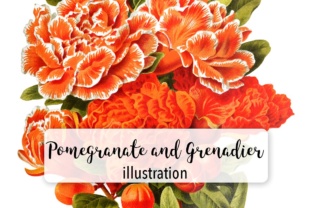
As a designer who has spent years translating digital art into tangible thread, I approach every new machine embroidery design with a mix of excitement and skepticism. The gap between a beautiful screen image and a successful finished product can be wide. When I first opened the file for Pomegranate and Grenadier Watercolor Flowers, I was immediately struck by its organic flow. This is not a rigid, geometric pattern; it belongs to the Illustrations category, carrying the soft, bleeding edges and vibrant saturation typical of watercolor art. My immediate thought wasn't just about how pretty it looks on my monitor, but how that specific aesthetic translates when stitched onto fabric.
The Mood and Visual Personality
The visual personality of Pomegranate and Grenadier Watercolor Flowers is warm, autumnal, and deeply textured. It evokes a sense of harvest and abundance without feeling cluttered. For an Etsy seller or a boutique owner looking to launch a fall collection, this design offers a distinct advantage over generic floral motifs. The way the pomegranate bursts open alongside the delicate grenadier blooms creates a dynamic composition that draws the eye. However, in the world of embroidery project planning, beauty must be balanced with technical feasibility. The "watercolor" effect in digital files often relies on gradients and transparency, which can be tricky to replicate with standard fill stitch techniques.
I found myself wondering how the stitch density would handle the softer edges. If the design relies too heavily on tiny, scattered stitches to mimic paint splatters, it might result in a puckered mess on certain fabrics. Conversely, if the artist has cleverly used running stitch or varied fill patterns to suggest the watercolor look, this could be a game-changer for high-end custom apparel. The mood is sophisticated yet rustic, making it perfect for items that need to feel handmade and personal rather than mass-produced.
A Real-World Application: The Fall Tote Bag
To truly evaluate this design, I imagined a specific scenario: preparing a limited run of canvas tote bags for a local craft fair. Let's say you are a small shop product creator aiming for a premium feel. You choose a natural, unbleached cotton canvas for your tote bag design. The neutral background allows the deep reds and greens of the Pomegranate and Grenadier Watercolor Flowers to pop. In this context, the design acts as the focal point, transforming a simple utility item into a statement piece.
When visualizing the stitching process, I considered the placement. Centering the design on the front of the bag works well, but the asymmetry of the watercolor style also suggests a corner placement, perhaps near the bottom seam, leaving room for a small, embroidered logo or text above it. This versatility is crucial for commercial embroidery where branding needs to coexist with artistic flair. Customers buying these bags aren't just looking for a place to carry groceries; they are investing in a piece of art they can use daily. The perceived value of the handmade product increases significantly when the embroidery file results in a clean, professional finish that mimics the softness of a painting.
Navigating Fabric and Technical Challenges
While the potential is high, there are specific situations where Pomegranate and Grenadier Watercolor Flowers requires careful handling. If you plan to use this on thin or stretchy fabric, such as a jersey sweatshirt embroidery or a lightweight baby onesie, you must be cautious. The intricate details of the flower petals and fruit segments could get lost or cause the fabric to pucker if the stabilizer isn't heavy enough. I always recommend testing the design on scrap fabric first to check how the tension affects the delicate lines.
Furthermore, consider the hoop size. Watercolor designs often have sprawling elements. If the design is too large for your hoop, you may have to split the digitization, which can lead to registration issues where the two halves don't align perfectly. Always confirm the dimensions before committing to a finished product. Additionally, dark fabrics present a unique challenge. To make the lighter shades of the watercolor effect visible on black or navy material, you might need a dense underlay or even an applique design base, though that changes the aesthetic entirely. The thread colors must be chosen carefully to ensure contrast against the fabric texture.
Practical Designer Notes for Success
- Test Stitch Density: Before running a full batch, stitch out a sample to see if the "paint" areas are too dense. Too much thread can stiffen the fabric, ruining the drape of a garment.
- Check Small Details: Zoom in on the Pomegranate and Grenadier Watercolor Flowers file. Are the tiny seeds or petal tips defined enough? On some machines, very small gaps in the design can disappear, merging details into a solid blob.
- Fabric Background Matters: Compare the design on light versus dark backgrounds using a printable mockup tool. The watercolor effect relies on negative space, which behaves differently on white linen versus charcoal denim.
- Licensing Check: As a digital product seller or business owner, always verify the license terms. Can you sell items made with this embroidery file? Is it restricted to personal use only? Never assume.
- Stabilizer Selection: Use a cut-away stabilizer for stretchy knits and a tear-away for woven goods like pillow covers or aprons to maintain the integrity of the design during washing.
Impact on Brand and Customer Trust
Using a high-quality design like Pomegranate and Grenadier Watercolor Flowers directly impacts your brand's reputation. In the crowded marketplace of craft business owners, customers can tell the difference between a sloppy stitch and a polished one. A well-executed watercolor design signals attention to detail and artistic intent. It elevates a simple personalized gift into something memorable. Whether it's a holiday ornament, a nursery blanket, or a wedding favor, the visual appeal drives buyer engagement.
However, if the translation from digital to physical fails—say, the colors bleed together or the threads break due to poor density—it damages customer trust. Buyers expect their embroidered patch or baby embroidery to last through washes and wear. Therefore, treating this design with respect means taking the time to adjust settings, test materials, and ensure the final output matches the promise of the original illustration.
Final Verdict for Makers
Pomegranate and Grenadier Watercolor Flowers is a strong contender for designers looking to add seasonal warmth and artistic depth to their portfolio. It fits beautifully within the realm of holiday embroidery, home decor, and boutique fashion. Its success depends entirely on the maker's ability to adapt the digitization to their specific machine and fabric choices. Do not rush the process. Treat every embroidery project as a learning opportunity. By respecting the nuances of the design, checking your design assets thoroughly, and prioritizing quality control, you can turn this digital illustration into a physical masterpiece that customers will love and cherish.