Watercolor Polar Animals Clipart Review
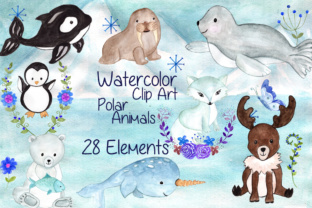
As a designer who has spent years translating digital art into tangible thread, I approach every new asset with a critical eye. When I first opened the Watercolor Polar Animals Clipart files, my immediate reaction was one of delight at the softness of the aesthetic, followed quickly by the practical question: how will this translate to stitch? The mood here is undeniably gentle and whimsical, capturing that specific winter charm without feeling cold or harsh. These Illustrations feature polar bears, seals, and arctic foxes rendered in a loose, painterly style that mimics watercolor washes. For an embroidery project, this presents both a unique opportunity and a significant technical challenge.
The Challenge of Translating Watercolor to Thread
The defining characteristic of these designs is the gradient effect inherent in watercolor painting. In the digital realm, colors bleed seamlessly into one another. In machine embroidery, we rely on distinct blocks of fill stitch or satin stitch to create shape. My first instinct when evaluating Watercolor Polar Animals Clipart for a real client project was to consider how to replicate those soft edges without creating a muddy, over-stitched mess. If you simply digitize the image as-is, you risk losing the delicate "wash" look and ending up with a blocky cartoon instead of an artistic piece.
To make this work, I would need to carefully plan the thread colors. Using a palette of light blues, icy grays, and soft whites is essential. The key lies in the layering. By using multiple layers of fill stitch with varying densities, we can mimic the transparency of watercolor. However, this requires a high level of skill in digitizing or selecting a pre-digitized file that respects the original art's intent. If you are an Etsy seller looking to add a premium touch to your shop, the ability to execute this subtle shading correctly is what separates a generic product from a boutique item.
A Real-World Scenario: The Winter Tote Bag Project
Let’s imagine a specific use case. I am preparing a collection of custom embroidered tote bags for a local craft fair. The goal is to create a personalized gift option that appeals to parents and nature lovers. I decide to use the polar bear illustration from the Watercolor Polar Animals Clipart set. I envision placing the design on a heavy-duty canvas tote bag. The texture of the canvas is crucial here; it needs to be sturdy enough to hold the stitch density required for the watercolor effect without puckering.
In this scenario, the hoop size becomes a major factor. Because the watercolor style relies on larger areas of color blending, shrinking the design too much will cause the details to vanish. A small 4x4 inch hoop might be too restrictive, forcing the software to condense the stitches and ruin the flow. I would recommend a minimum of a 5x7 inch hoop to allow the polar bear to breathe. This ensures that the finished product looks intentional and artistic rather than cramped and pixelated.
When I visualize the customer holding this bag, the soft, blended tones of the polar bear stand out beautifully against the natural beige of the canvas. It feels like a handmade product with soul, not just a mass-produced logo. This kind of visual appeal drives buyer engagement. Customers are drawn to items that tell a story, and the watercolor aesthetic adds a layer of sophistication that simple line art cannot achieve.
Strategic Applications for Small Business Owners
- Baby Embroidery: The soft lines make this perfect for nursery decor, such as pillow covers or blankets. Parents love the gentle aesthetic for their infants' rooms.
- Sweatshirt Embroidery: On fleece or cotton blends, the design works well on the chest pocket area. Just ensure the fabric isn't too stretchy, which could distort the delicate shapes.
- Holiday Gifts: These images fit perfectly into winter-themed collections. Think aprons, kitchen towels, or even decorative stockings.
- Custom Apparel: While great for flat surfaces, be cautious with curved items like caps unless you have a specialized cap frame and digitizing skills.
Where Caution is Required
Despite its beauty, Watercolor Polar Animals Clipart is not a "one-size-fits-all" solution. There are specific situations where this design style demands extra care. First, avoid using it on dark fabrics without a significant backing or underlay strategy. The light, airy nature of watercolors relies on white or light backgrounds to pop. Stitching pale blue and gray threads directly onto black fabric will result in poor visibility and a lack of contrast.
Secondly, be wary of thin or highly textured fabrics. The stitch density needed to simulate watercolor washes can be heavier than a standard outline design. If you place this on a lightweight t-shirt, the weight of the thread might cause the fabric to pucker or tear after repeated washing. Always test the design on scrap fabric first. Check how the stabilizer interacts with the thread tension. A cutaway stabilizer is often better for this type of dense fill work compared to a tear-away, especially if the item will see frequent laundering.
Another pitfall is the temptation to add tiny lettering alongside the artwork. The organic, flowing lines of the polar animals do not pair well with rigid, small fonts. If you are branding a small shop product, keep any text large and minimal. Let the machine embroidery design be the hero. Trying to cram a complex message around the detailed corners of the animal will likely lead to stitching errors and a cluttered look.
Professional Tips for Success
If you decide to incorporate Watercolor Polar Animals Clipart into your business workflow, here are my top recommendations based on experience:
- Test Before You Sell: Never skip the test run. Stitch the design on the exact fabric you intend to sell. Inspect the back of the stitching to ensure there are no loose threads or excessive stabilizer residue.
- Check Licensing: As a digital asset, always confirm the licensing terms. Can you sell the finished embroidered patch? Can you sell the digital embroidery file itself? Understanding the difference between personal and commercial embroidery rights is vital for protecting your business.
- Mockup Wisely: When creating listings, use realistic printable mockups or photos of actual stitched samples. Do not just show the PNG clipart. Buyers need to see how the thread texture changes the look of the watercolor effect.
- Color Matching: Don't rely solely on the screen colors. Pull physical thread cards and compare them to the design under natural light. The "watercolor" look depends entirely on the subtlety of your thread colors.
Final Thoughts on Design Value
Ultimately, Watercolor Polar Animals Clipart offers a fantastic opportunity to elevate your brand's presentation. It moves away from the standard, sharp-edged logos that dominate the market and introduces a softer, more artistic vibe. For the creative entrepreneur or the craft business owner, this type of design asset can significantly increase perceived value. It signals to the customer that attention to detail and artistic flair went into the creation of the item.
However, remember that the success of the project lies in execution. The digital file is only the starting point. Your choice of fabric, stabilizer, thread quality, and digitizing precision will determine whether the final result captures the magic of the original Illustrations. If you respect the limitations of the medium and prepare thoroughly, this design can become a staple in your winter collection, bringing warmth and character to everything from baby clothes to holiday gifts. It is a versatile tool, but like any good tool, it requires a skilled hand to wield effectively.